
T
Tyler Durden
Guest
More Young Men Than Young Women Now Say Religion Is 'Very Important' To Them, Gallup Finds
Authored by Mark A. Kellner via The Epoch Times (emphasis ours),
Young men in the United States are more religious than young women for the first time in 25 years, according to a Gallup poll released on Thursday.

A man reads scripture while viewing the casket of Reverend Billy Graham in the U.S. Capitol Rotunda in Washington, DC, on Feb. 28, 2018. Alex Edelman/AFP via Getty Images
The data show that 42 percent of men aged 18 to 29 say religion is “very important” in their lives. That figure stood at 28 percent just two years ago. Young women’s attachment to religion held steady at about 30 percent during the same period.
The 14-point jump among young men represents a sharp departure from typical demographic trends. It has caught the attention, tempered with caution, of researchers who study religion in America.
“The magnitude of the jump they’re talking about [is] humongous—religious importance is up from 28 percent to 42 percent in two years. That’s not how demographics typically work,” Ryan Burge, a political scientist and statistician who studies religious trends, told The Epoch Times. “You don’t see a metric rise by 50 percent in two years.”
The Gallup findings, authored by Frank Newport and Lydia Saad, are based on biennial aggregates of religion data from 2000-2001 through 2024-2025. The 2024-2025 results draw from 4,015 U.S. adults, including 295 men and 145 women aged 18 to 29.
The reversal is confined to the youngest age group. Among adults 30 and older, women remain more religious than men.
At the start of the millennium, young women led young men by 9 percentage points on the importance of religion. That gap widened to 16 points in the early to mid-2000s before narrowing over the next decade.
By the mid-2010s, the difference had shrunk to about 5 points. The latest data mark a clear break.
The shift extends beyond attitudes about the importance of religion. The share of young men reporting monthly—or more frequent—attendance at religious services rose 7 points to 40 percent. That is the highest level since 2012-2013. Young women’s attendance rose three points to 39 percent.
Young men and young women are now statistically tied on attendance. On religious affiliation, 63 percent of young men report identifying with a faith, compared with 60 percent of young women.
Yet Burge, author of “The Vanishing Church: How the Hollowing Out of Moderate Congregations Is Hurting Democracy, Faith, and Us,” urged caution in interpreting the results. He noted that while the importance measure surged, other religious indicators did not show the same dramatic increase.
“To make the claim that now young men are coming back to religion en masse based on this one data point would be statistically inappropriate,” Burge said. “But I think it does move us closer to a preponderance of evidence that the gender gap has now clearly closed between young men and young women, and maybe possibly reversed.”
Burge described the importance-of-religion question as a “vibes metric” but perhaps not proof of religiosity.
“It’s not asking, ‘Are you religious, or do you go to church?’ But, ‘Do you think religion is important?’” Burge said. “So, are there people who never go to church who say religion is very important? They’re called conservatives.”
Gallup’s analysis points to partisan politics as a key driver. Religious attendance rose 7 points among young Republican men and 8 points among young Republican women since 2022-2023. Among young Democratic men, attendance rose 3 points. Young Democratic women showed little change.
The political dimension matters because 48 percent of young men identified as or leaned Republican in 2024-2025. Only 27 percent of young women did the same. Among young women, 60 percent identified as or leaned Democratic.
Burge said the political sorting concerns him.
“My worry is that these young men are being drawn towards church because of the politics of the church, you know, and that will only make evangelicalism and Catholicism even more conservative than it already is,” Burge said.
He argued that churches need political diversity to serve a healthy function in society.
“We need to seek out religious spaces that are diverse. I mean, but I mean moderate. I just don’t mean everyone’s a moderate. I mean for every conservative [there’s] a liberal,” Burge said. “You know, where it balances out to the middle.”
Burge said young women’s departure from religion has its own logic. He pointed to the #MeToo movement and concerns about patriarchal institutions.
“Young women are being pushed away from religion, and it has a lot to do with politics,” he said. “They’re seeing the church as being, you know, very paternalistic, very masculine, very patriarchal.”
Meanwhile, young men find institutions that still value their leadership, Burge said. Catholicism restricts the priesthood to men. Many evangelical denominations limit the roles of women.
“It kind of makes sense that young men would go one direction; young women go the other direction.”
Gallup did not immediately respond to questions about its findings.
Tyler Durden Fri, 04/17/2026 - 20:05
Continue reading...
Authored by Mark A. Kellner via The Epoch Times (emphasis ours),
Young men in the United States are more religious than young women for the first time in 25 years, according to a Gallup poll released on Thursday.
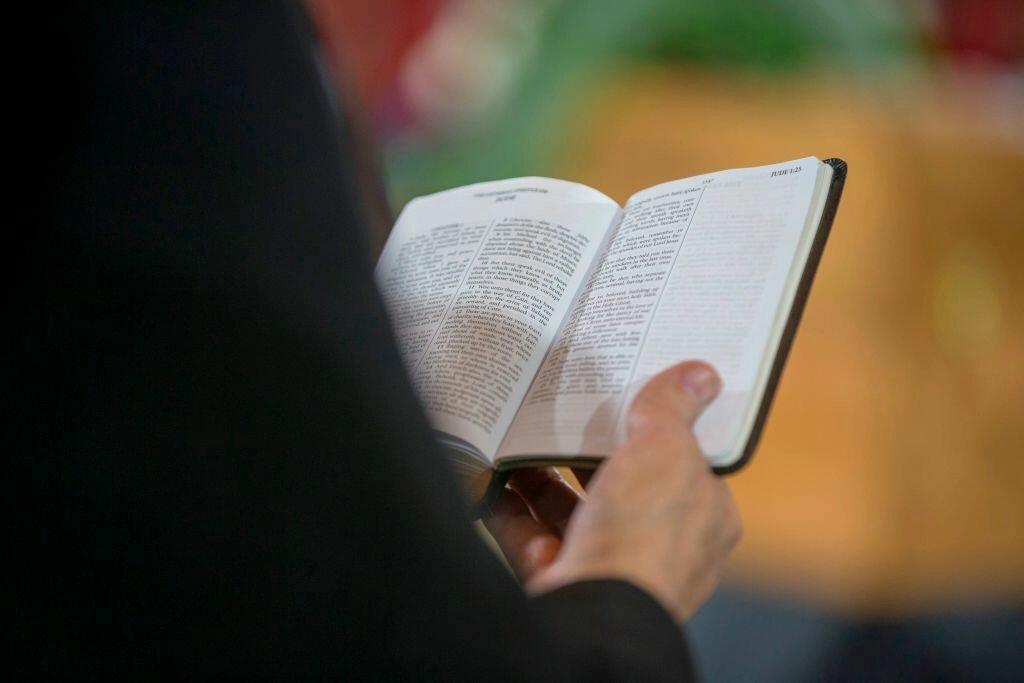
A man reads scripture while viewing the casket of Reverend Billy Graham in the U.S. Capitol Rotunda in Washington, DC, on Feb. 28, 2018. Alex Edelman/AFP via Getty Images
The data show that 42 percent of men aged 18 to 29 say religion is “very important” in their lives. That figure stood at 28 percent just two years ago. Young women’s attachment to religion held steady at about 30 percent during the same period.
The 14-point jump among young men represents a sharp departure from typical demographic trends. It has caught the attention, tempered with caution, of researchers who study religion in America.
“The magnitude of the jump they’re talking about [is] humongous—religious importance is up from 28 percent to 42 percent in two years. That’s not how demographics typically work,” Ryan Burge, a political scientist and statistician who studies religious trends, told The Epoch Times. “You don’t see a metric rise by 50 percent in two years.”
The Gallup findings, authored by Frank Newport and Lydia Saad, are based on biennial aggregates of religion data from 2000-2001 through 2024-2025. The 2024-2025 results draw from 4,015 U.S. adults, including 295 men and 145 women aged 18 to 29.
The reversal is confined to the youngest age group. Among adults 30 and older, women remain more religious than men.
At the start of the millennium, young women led young men by 9 percentage points on the importance of religion. That gap widened to 16 points in the early to mid-2000s before narrowing over the next decade.
By the mid-2010s, the difference had shrunk to about 5 points. The latest data mark a clear break.
The shift extends beyond attitudes about the importance of religion. The share of young men reporting monthly—or more frequent—attendance at religious services rose 7 points to 40 percent. That is the highest level since 2012-2013. Young women’s attendance rose three points to 39 percent.
Young men and young women are now statistically tied on attendance. On religious affiliation, 63 percent of young men report identifying with a faith, compared with 60 percent of young women.
Yet Burge, author of “The Vanishing Church: How the Hollowing Out of Moderate Congregations Is Hurting Democracy, Faith, and Us,” urged caution in interpreting the results. He noted that while the importance measure surged, other religious indicators did not show the same dramatic increase.
“To make the claim that now young men are coming back to religion en masse based on this one data point would be statistically inappropriate,” Burge said. “But I think it does move us closer to a preponderance of evidence that the gender gap has now clearly closed between young men and young women, and maybe possibly reversed.”
Burge described the importance-of-religion question as a “vibes metric” but perhaps not proof of religiosity.
“It’s not asking, ‘Are you religious, or do you go to church?’ But, ‘Do you think religion is important?’” Burge said. “So, are there people who never go to church who say religion is very important? They’re called conservatives.”
Gallup’s analysis points to partisan politics as a key driver. Religious attendance rose 7 points among young Republican men and 8 points among young Republican women since 2022-2023. Among young Democratic men, attendance rose 3 points. Young Democratic women showed little change.
The political dimension matters because 48 percent of young men identified as or leaned Republican in 2024-2025. Only 27 percent of young women did the same. Among young women, 60 percent identified as or leaned Democratic.
Burge said the political sorting concerns him.
“My worry is that these young men are being drawn towards church because of the politics of the church, you know, and that will only make evangelicalism and Catholicism even more conservative than it already is,” Burge said.
He argued that churches need political diversity to serve a healthy function in society.
“We need to seek out religious spaces that are diverse. I mean, but I mean moderate. I just don’t mean everyone’s a moderate. I mean for every conservative [there’s] a liberal,” Burge said. “You know, where it balances out to the middle.”
Burge said young women’s departure from religion has its own logic. He pointed to the #MeToo movement and concerns about patriarchal institutions.
“Young women are being pushed away from religion, and it has a lot to do with politics,” he said. “They’re seeing the church as being, you know, very paternalistic, very masculine, very patriarchal.”
Meanwhile, young men find institutions that still value their leadership, Burge said. Catholicism restricts the priesthood to men. Many evangelical denominations limit the roles of women.
“It kind of makes sense that young men would go one direction; young women go the other direction.”
Gallup did not immediately respond to questions about its findings.
Tyler Durden Fri, 04/17/2026 - 20:05
Continue reading...